
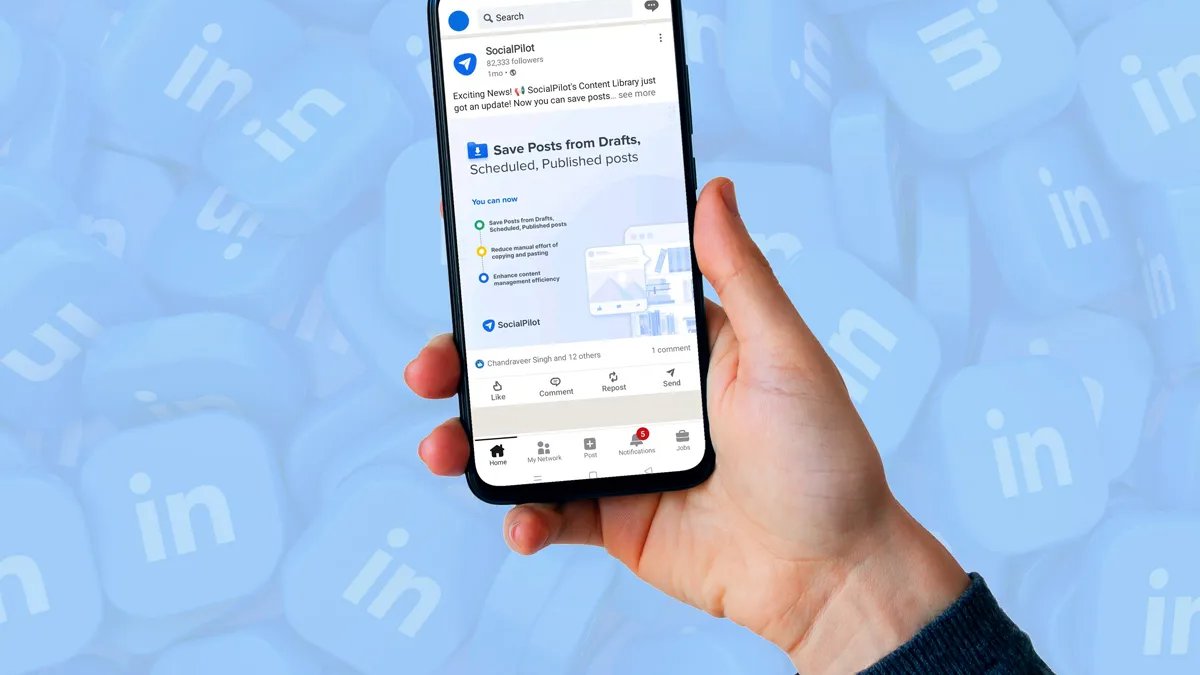
Boosting posts on LinkedIn transforms promising content into powerful lead-generation engines. Professional marketers use strategic post boosting to amplify successful content and reach qualified decision-makers within specific target audiences.
Strategic Post Selection for LinkedIn Boosting
Smart boosting begins with recognizing posts that already demonstrate organic traction. Early engagement signals indicate content worth promoting with paid reach.
Boost These Posts
- Content with strong early comments and saves
- Time-sensitive announcements and events
- Posts with clear conversion objectives
- Content reaching audience capacity limits
Avoid Boosting
- Posts lacking organic momentum
- Content with vague calls to action
- Posts without defined success metrics
- Underperforming experimental content
LinkedIn Post Boosting Process
LinkedIn’s boost feature simplifies paid promotion through a streamlined workflow accessible directly from company page dashboards.
Campaign Objective Selection
| Objective | Best Used For | Primary Outcome |
|---|---|---|
| Brand Awareness | New product launches | Increased visibility |
| Post Engagement | Community building | Likes, comments, shares |
| Video Views | Educational content | Watch time metrics |
| Website Visits | Lead generation | Traffic and conversions |
Audience Targeting Strategy
Effective targeting balances precision with reach potential. Focus targeting delivers better conversion rates than broad audience selection.
- Start with one or two core demographic filters
- Test job title and seniority combinations
- Include industry and company size parameters
- Monitor audience size indicators for optimal reach
- Adjust targeting based on initial performance data
Content Optimization for Boosted Posts
Successful LinkedIn post boosting requires content specifically designed for professional audiences seeking valuable business insights.
Hook Creation Techniques
| Hook Type | Example Format | Engagement Impact |
|---|---|---|
| Statistical Lead | “X% of professionals report…” | High credibility |
| Question Opening | “What if your strategy could…” | Direct engagement |
| Contrarian Statement | “Everyone believes X, but…” | Stops scroll patterns |
| Story Setup | “Three months ago, we discovered…” | Emotional connection |
Call-to-Action Optimization
Every boosted post needs one clear, actionable directive that guides readers toward specific outcomes.
High-Converting CTAs
- “Download the guide”
- “Book your consultation”
- “Join the discussion”
- “Get the template”
- “Schedule a demo”
Weak CTA Examples
- “Learn more”
- “What do you think?”
- “Click here”
- “Check this out”
- “Thoughts?”
Budget and Performance Management
Smart budget allocation and rapid performance assessment prevent wasted spend while maximizing successful LinkedIn post reach campaigns.
Budget Setting Framework
- Begin with modest test budgets for performance validation
- Monitor frequency metrics to prevent audience saturation
- Scale successful campaigns gradually based on conversion data
- Set clear end dates for time-sensitive content promotion
- Reserve larger budgets for proven high-performing posts
Critical Performance Indicators
| Metric | Success Threshold | Optimization Action |
|---|---|---|
| Click-through Rate | Above 1.5% | Scale budget if converting |
| Engagement Rate | Above 3% | Consider audience expansion |
| Cost Per Click | Below industry average | Maintain current targeting |
| Conversion Rate | Meets campaign objectives | Increase investment |
Performance monitoring should occur within 24-48 hours to identify underperforming campaigns before significant budget depletion.
Advanced Targeting and Optimization Strategies
Sophisticated LinkedIn advertising approaches leverage platform-specific features and audience behaviors to maximize campaign effectiveness.
Audience Segmentation Methods
Demographic Targeting
- Job function alignment
- Seniority level matching
- Company size parameters
- Industry vertical focus
- Geographic boundaries
Behavioral Targeting
- Engagement history patterns
- Content consumption preferences
- Professional group memberships
- Skill endorsement data
- Connection network analysis
Content Format Optimization
Different content formats perform optimally with specific audience segments and campaign objectives.
| Format Type | Engagement Rate | Best Use Case |
|---|---|---|
| Native Video | Highest retention | Educational content delivery |
| Document Posts | Strong sharing rates | Detailed insights and guides |
| Image Posts | Quick consumption | Statistics and infographics |
| Text-only Posts | Professional discussions | Thought leadership content |
Measuring Boosted Post Success
Accurate measurement separates successful LinkedIn marketing campaigns from wasteful spending through strategic metric analysis and comparison frameworks.
Essential Analytics Framework
- Compare boosted performance against organic baseline metrics
- Track conversion attribution from LinkedIn traffic sources
- Monitor audience growth and follower quality improvements
- Analyze engagement depth beyond surface-level interactions
- Calculate true cost per qualified lead generation
Campaign Optimization Triggers
Pause Campaign If:
- Click-through rate drops below 0.5%
- Cost per result exceeds budget thresholds
- Audience frequency reaches 3+ impressions
- Conversion rate falls significantly below targets
Scale Campaign If:
- Consistent conversion rate above 2%
- Strong engagement from target demographics
- Cost efficiency meets or exceeds goals
- Audience has remaining reach potential
Successful LinkedIn post boosting requires strategic content selection, precise audience targeting, and continuous performance optimization. Focus investment on posts already demonstrating organic engagement, use clear calls-to-action that drive specific outcomes, and monitor key metrics to maximize return on advertising spend. Professional marketers who master these fundamentals consistently generate qualified leads and meaningful business growth through strategic LinkedIn content promotion.